

How Commentary Shapes Sports Perception
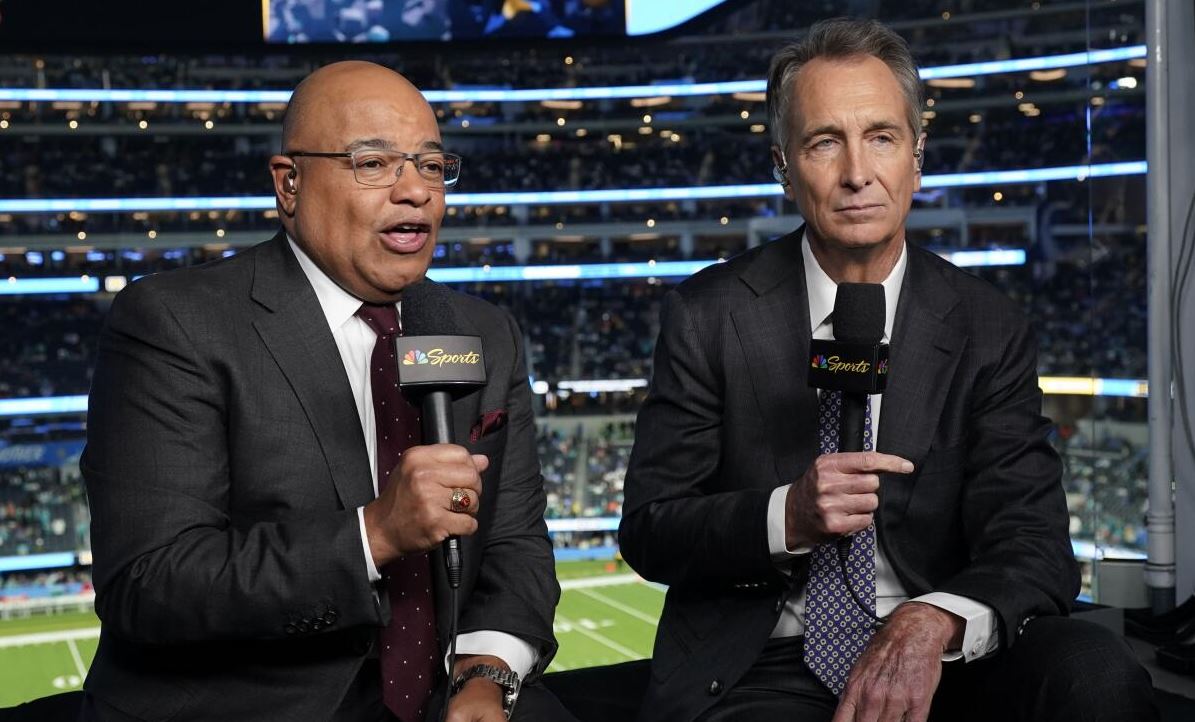
Understanding the Power of Words in the World of Sports
The Evolution of Sports Commentary Across Generations
Sports commentary has always been more than a background voice. It is a bridge between the athlete and the audience, a dynamic narrative that breathes life into the game. In the early days of radio broadcasting, commentators carried the burden of imagination. Their words painted pictures for listeners who could not see the field. A single phrase could ignite emotion, turning a routine play into a historic moment. The art of commentary began as storytelling, and even today, it continues to thrive on that foundation.
As television entered homes, the visual element changed the role of the commentator. Viewers no longer depended on words for imagery, yet they still sought guidance in understanding what they were watching. Analysis, tone, and timing became just as important as description. The best commentators evolved into educators and entertainers at once. Their ability to merge insight with emotion transformed sports broadcasting into a distinct art form that continues to grow in sophistication and style.
The Psychology of Voice and Emotion in Live Broadcasting
Every tone, pause, and inflection in commentary influences how audiences experience a match. A rising voice can intensify excitement, while silence can capture tension. The human voice connects directly to emotion, and skilled commentators use it to build atmosphere. They know when to speak and when to let the sound of the crowd tell the story. This intuitive balance creates rhythm within a broadcast, turning it into a performance that mirrors the game itself.
Psychologically, commentary functions as a guide for interpretation. The words chosen by a broadcaster shape the audience’s understanding of momentum and importance. A neutral description might calm nerves, while a passionate exclamation can raise collective energy. Every listener unconsciously aligns with the commentator’s tone, forming emotional unity among millions. This invisible thread of influence is what transforms commentary into one of the most powerful storytelling tools in sports media.
The Role of Objectivity and Bias in Modern Sports Commentary
In today’s media-driven landscape, maintaining objectivity has become a challenge for commentators. Audiences expect passion but demand fairness. Bias can create division, yet neutrality can sometimes feel lifeless. Finding the balance between enthusiasm and impartiality defines the credibility of any commentator. Great broadcasters understand how to celebrate moments without losing perspective, acknowledging talent on both sides while allowing the drama of the contest to speak for itself.
Bias often stems from familiarity, geography, or emotion. Local broadcasters naturally favor their teams, while national commentators must adopt a wider lens. Fans also bring their own expectations, interpreting tone and phrasing through personal allegiance. Modern sports commentary, therefore, is not only about describing events but also about managing perception. The art lies in staying truthful to the game while respecting the diversity of fan experience.
The Impact of Technology on Commentary Delivery
Advancements in technology have redefined the commentator’s toolkit. Instant replays, multiple camera angles, and real-time analytics now provide deeper insights into every action. Commentators use this information to enrich their storytelling, turning statistics into narratives. A player’s sprint speed, heart rate, or shot accuracy can now become part of the emotional arc of the game. Technology allows commentators to explain complexity without losing spontaneity, merging precision with personality.
However, technology also adds new pressure. With social media platforms reacting instantly to every word, mistakes spread quickly. A poorly timed comment can ignite controversy or overshadow the event itself. This new reality requires adaptability and composure. Modern commentators must combine knowledge with diplomacy, ensuring their words educate rather than alienate. In this environment, credibility is earned not only through accuracy but through authenticity and respect for the audience.
The Art of Silence and the Value of Timing
Sometimes the most powerful commentary is no commentary at all. Strategic silence has become a hallmark of experienced broadcasters who understand the emotional gravity of certain moments. When an athlete breaks a record or a team achieves an improbable victory, allowing the roar of the crowd to fill the air can be far more impactful than any sentence. Silence honors the magnitude of achievement, inviting the audience to experience the raw emotion firsthand.
Timing, in this sense, becomes the invisible skill that separates good commentators from great ones. Knowing when to interject, when to analyze, and when to step back requires instinct honed through experience. Just as athletes practice precision, commentators refine their sense of timing through years of observation. The synergy between words and silence mirrors the balance between effort and restraint found in the very sports they describe.
Commentary as Cultural Storytelling
Sports commentary transcends the act of description and enters the realm of cultural storytelling. Commentators become historians, preserving moments that future generations will remember. Their words often define the legacy of events, attaching meaning that extends beyond the field. Iconic calls from past decades still echo in collective memory, transforming fleeting plays into immortal highlights. Every sport has its voices, and each voice carries its own rhythm, accent, and philosophy.
Regional styles of commentary reveal cultural values. Latin American broadcasts celebrate passion and flair, while European commentaries emphasize tactics and precision. North American styles blend theatrical enthusiasm with analysis, appealing to a broad and emotional audience. These variations create a global mosaic of voices that celebrate diversity while uniting people under the shared experience of sport. The universal appeal of commentary lies in its ability to capture the beauty of human expression through sound and perspective.
The Relationship Between Commentators and Fans
Modern fans are no longer passive listeners. Social media and digital platforms have transformed commentary into a two-way dialogue. Audiences now interact with broadcasters in real time, offering feedback, humor, and criticism. This interactivity has humanized commentators, turning them into personalities rather than distant narrators. The rise of streaming platforms has also expanded opportunities for independent voices to emerge, giving fans the freedom to choose the style and tone that best matches their preferences.
Despite this evolution, the core relationship remains emotional. Fans often form deep attachments to the voices they grew up hearing. A familiar commentator can become a symbol of nostalgia, evoking memories of victories, heartbreaks, and moments of shared joy. This bond between voice and memory underscores the intimate role that commentary plays in shaping how people remember sports. The commentary becomes the soundtrack of their experiences, preserving the pulse of the game long after it ends.
The Emergence of Women in Sports Commentary
For many years, sports commentary was dominated by male voices. The emergence of women in this field marks a vital step toward inclusivity and representation. Female commentators bring fresh perspectives, analytical depth, and emotional nuance to broadcasts that enrich the viewing experience. Their growing presence challenges stereotypes and broadens the definition of expertise in sports media. As barriers continue to fall, the commentary landscape becomes more reflective of the diversity within the global fanbase.
This inclusion has also expanded storytelling. Women commentators often emphasize narratives of teamwork, resilience, and progress that resonate across audiences. Their ability to balance empathy with analysis adds dimension to broadcasts that had long been confined to a singular tone. As the industry evolves, equal representation ensures that commentary continues to adapt, capturing the complete human experience of competition rather than a limited viewpoint.
The Challenge of Commentary in the Digital Era
The digital transformation of sports consumption has redefined what commentary means. Online streams, podcasts, and social media reactions now compete with traditional broadcasts. Fans have access to multiple layers of analysis, from tactical breakdowns to emotional fan perspectives. This abundance of choice forces professional commentators to raise their standards of insight and creativity. The challenge lies in offering value that technology alone cannot provide: the human ability to interpret emotion and context in real time.
Artificial intelligence may soon generate automated commentary, but it will lack the intuition that defines human narration. Machines can describe action, but they cannot feel suspense or empathy. The commentator’s role will therefore remain vital, as audiences continue to seek connection, not just information. The digital age will expand possibilities, but authenticity will always distinguish the voice that resonates from the one that fades.
The Legacy of Words in the Memory of Sport
Long after the final whistle fades, it is often the words of a commentator that remain. A phrase shouted in passion, a calm analysis during chaos, or a pause filled with emotion can immortalize a single moment forever. Commentary turns seconds into stories and actions into memories. It shapes how people recall greatness and how they interpret history. Through skill, empathy, and voice, the commentator becomes both witness and poet, ensuring that every game, every player, and every heartbeat of sport finds its place in the collective human story.