

The Global Awakening of Women’s Football
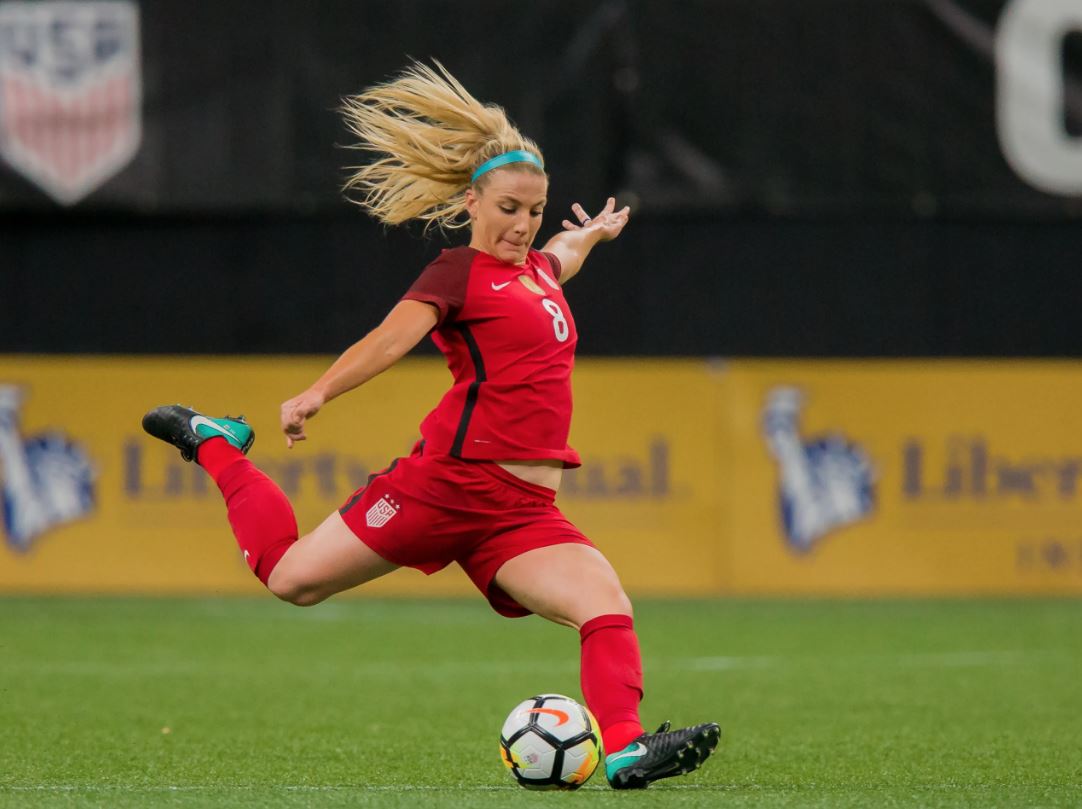
How a Once-Marginalized Sport Became a Cultural Force Redefining Equality, Passion, and Identity
The Forgotten Origins of Women’s Football
Long before modern stadiums echoed with the cheers of record-breaking crowds, women’s football existed quietly in the shadows of history. Its earliest records trace back to the late nineteenth century, when women in England played matches that drew tens of thousands of spectators. During the early twentieth century, teams like Dick, Kerr’s Ladies became pioneers, touring the world and proving that the women’s game could inspire just as much passion as its male counterpart. However, as the sport grew in popularity, it faced severe resistance. In 1921, the Football Association in England banned women from using its pitches, claiming that the game was unsuitable for females. The decision silenced the sport for decades, erasing much of its early momentum.
Despite the setback, the spirit of the women who played never disappeared. In secret, in fields and parks, young girls continued to chase footballs, inspired by those who came before them. Their quiet persistence preserved the soul of the game through a period of exclusion. The ban would eventually lift in 1971, fifty years later, marking the beginning of a new era. What followed was not just a return to competition but a reawakening of purpose. The rise of women’s football became not merely about sport but about reclaiming identity and rewriting history that had been denied for generations.
The Rebirth of a Global Movement
The modern renaissance of women’s football began in the late twentieth century, fueled by social change and international advocacy for gender equality. The establishment of the FIFA Women’s World Cup in 1991 signaled a turning point. For the first time, women could compete on a global stage under the same organizational umbrella as men. Although early tournaments lacked the commercial attention of their male equivalents, they ignited a movement. Players became ambassadors for equality, showing that skill and passion knew no gender.
In the following decades, professional leagues began to emerge across Europe, North America, and Asia. The introduction of the Women’s Super League in England, the National Women’s Soccer League in the United States, and the expansion of clubs like Lyon, Barcelona, and Chelsea into women’s divisions reshaped the football landscape. The professionalization of the sport brought financial stability, improved facilities, and global media coverage. More importantly, it gave young girls visible role models. For the first time, they could see women playing football at the highest level, earning respect, and inspiring millions around the world.
The Power of Representation and Role Models
The impact of women’s football extends far beyond the pitch. Representation has become its most powerful weapon. When players like Marta, Alex Morgan, Megan Rapinoe, and Sam Kerr rise to prominence, they do more than win trophies; they redefine what it means to be an athlete. They prove that passion, skill, and intelligence belong to everyone, not just one gender. These figures have used their platforms to advocate for equality, LGBTQ+ rights, and social justice, transforming football into a space of empowerment rather than exclusion.
Young girls who once struggled to find heroes who looked like them now see entire generations of women dominating the global stage. Representation builds confidence, and confidence creates participation. Across continents, enrollment in youth academies for girls has soared. Communities that once dismissed female players now celebrate them. The presence of strong, visible women in sport has changed how society perceives athleticism, leadership, and ambition. Every goal scored, every record broken, and every championship celebrated echoes far beyond the stadium, it shifts cultural identity itself.
The Economic Revolution and Media Transformation
As women’s football gained global recognition, its economic potential began to unfold. Sponsorship deals, television rights, and merchandising opportunities have grown dramatically in the last decade. Major brands now compete to associate themselves with women’s teams and athletes. The 2023 FIFA Women’s World Cup, for instance, attracted record viewership across continents, with billions of minutes streamed and broadcast worldwide. Such figures demonstrate that women’s football is no longer a niche interest; it is a mainstream movement with commercial influence.
The role of media cannot be understated. For years, coverage of women’s sports was minimal, often confined to brief segments or token mentions. Now, major broadcasters dedicate full programming, live commentary, and expert analysis to women’s matches. Social media has amplified this transformation, providing athletes with direct communication to fans and control over their narratives. Digital platforms have democratized visibility, breaking the traditional barriers of network-driven exposure. Every viral goal, emotional post-match interview, and behind-the-scenes clip strengthens the bond between players and audiences. The result is not only growth in viewership but a redefinition of how sport is consumed in the digital era.
Equality in Progress: The Fight for Fair Treatment
While the rise of women’s football marks tremendous progress, the journey toward equality remains incomplete. Pay disparities, resource gaps, and unequal investment continue to challenge players and organizations. The landmark battle led by the United States Women’s National Team for equal pay brought global attention to these issues. Their victory in court was not only a triumph for American players but a message to the world: equal work deserves equal recognition. Similar efforts in other nations have sparked new dialogues about fairness in sport and beyond.
Equality in football is not just about wages but about opportunity. Access to quality coaching, facilities, and medical care still varies widely across regions. Many talented players in developing nations face barriers that prevent them from pursuing professional careers. Bridging these gaps requires more than policy change; it demands cultural transformation. Federations must see investment in women’s football not as charity but as a strategic priority. The future of global football depends on inclusivity, and the women’s game has proven itself to be both a social cause and a competitive frontier that enriches the sport as a whole.
The Social and Cultural Ripple Effect
The rise of women’s football has had profound effects on culture, education, and community. Schools now incorporate football into programs for girls, encouraging teamwork, discipline, and physical health. Families that once discouraged daughters from playing now take pride in their achievements. In some countries, football has even become a tool of empowerment for women’s rights, giving players a voice in societies where gender equality remains contested. The ball, once a symbol of exclusion, has become an instrument of liberation.
The cultural shift also extends to how masculinity and femininity are perceived. Women in football challenge outdated stereotypes that equate strength and competitiveness with masculinity. They demonstrate that grace, power, and resilience can coexist. The sport has opened space for discussions about gender identity, representation, and acceptance. In essence, the rise of women’s football has sparked conversations that reach far beyond athletics, it has become a movement that reflects evolving human values.
Technology, Analytics, and the Professional Edge
Modern football thrives on innovation, and the women’s game is no exception. Technology has transformed how teams train, strategize, and perform. From GPS tracking to biometric analysis, data science now guides tactical decision-making and injury prevention. Clubs invest in performance analytics to maximize every aspect of play, from passing accuracy to sprint recovery. This integration of science into sport has elevated standards and narrowed the gap between men’s and women’s football in terms of professionalism.
Media technology has also revolutionized fan engagement. Streaming services allow global access to leagues previously limited to local audiences. Virtual reality training, social media marketing, and augmented reality experiences have given fans immersive ways to connect with players and clubs. The digital infrastructure supporting women’s football ensures that growth will continue in both visibility and influence. Technology has not only advanced athletic performance but also built bridges between communities, turning the global audience into a unified, diverse fanbase.
The Role of Leadership and Governance
The continued success of women’s football depends on leadership that understands its unique challenges and opportunities. Visionary administrators, coaches, and advocates play critical roles in shaping policy and ensuring accountability. Figures like Sarai Bareman at FIFA and other federation leaders have pushed for greater inclusion at every level of decision-making. Leadership diversity matters, not just for optics but for perspective. Women in governance bring insight into the barriers players face and the strategies needed to overcome them.
Coaching, too, has evolved into a field of empowerment. More women are taking on head coaching roles, mentoring the next generation of players and leaders. Initiatives to support female coaches, referees, and executives have expanded globally, creating pathways that previously did not exist. The governance of football is slowly transforming from a hierarchy of exclusion into a network of collaboration. When leadership reflects the diversity of its athletes, the sport becomes not only stronger but more representative of the world it serves.
The Global Influence of Local Heroes
While international tournaments capture headlines, much of women’s football’s growth begins at the grassroots. Local heroes, coaches, and volunteers drive the movement in neighborhoods and small towns. From school fields in Nairobi to community centers in Tokyo, countless women dedicate themselves to teaching young players both skill and confidence. Their impact may not make global news, but it forms the foundation of every championship and record that follows. Grassroots programs create a cycle of inspiration, ensuring that each generation produces the next wave of talent.
Local clubs and regional leagues also act as bridges between culture and community. They celebrate identity, foster inclusion, and remind fans that football belongs to everyone. The shared joy of the game transcends social divisions and unites people through common passion. The global success of women’s football is, at its heart, a reflection of countless local stories, each one written on pitches where dreams begin. Without the grassroots, the global would not exist, and without the individual, the collective would lose its soul.
The Future of Women’s Football and the Legacy of Equality
The rise of women’s football is more than a sporting phenomenon; it is a cultural revolution that continues to redefine what progress looks like. Its future will be shaped by investment, education, and advocacy, but its foundation rests on the courage of those who refused to accept limitation. The next generation of players will grow up in a world where women’s football is not the exception but the expectation. As stadiums fill, audiences expand, and media coverage grows, the game’s influence will extend into politics, economics, and social reform.
The legacy of this movement will be measured not only in trophies but in transformation. It will be seen in the young girls who pick up a ball without fear, in the communities that rally around women’s teams with pride, and in the institutions that finally recognize equality as essential to progress. Football has always been more than a sport; it is a reflection of society’s values. The rise of women’s football has shown that when barriers fall, humanity rises. Its story is still being written, one goal, one voice, and one generation at a time.