

The Timeless Spirit of Athletic Competition
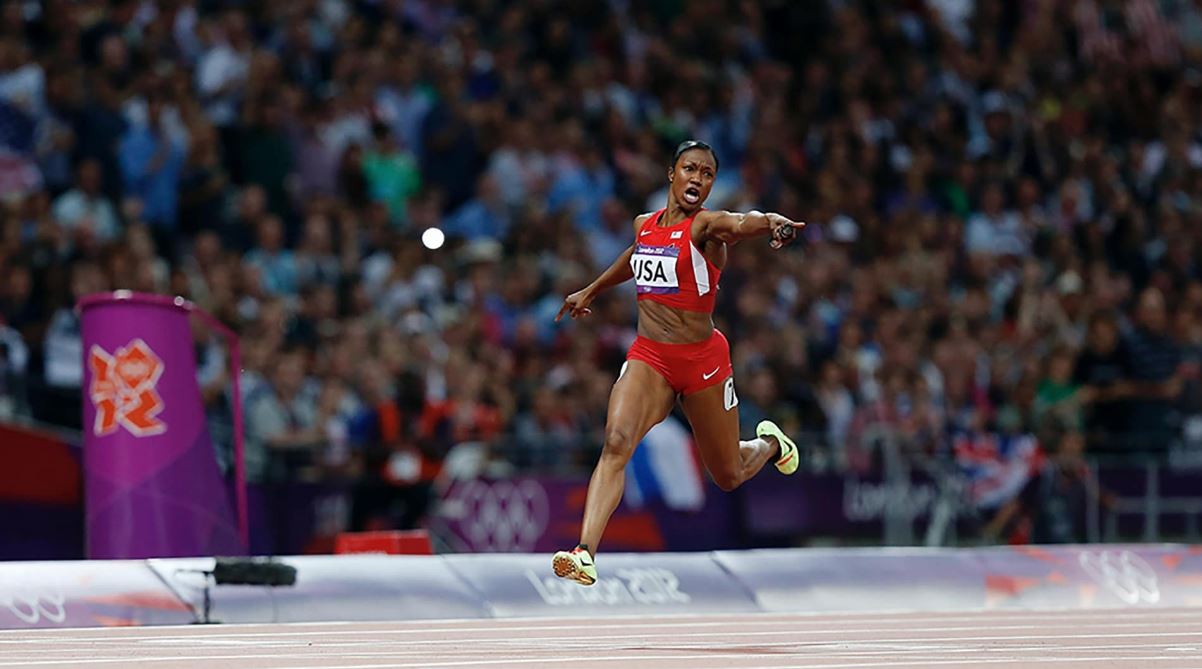
Sports Continue to Shape Human Identity and Global Culture
The Origins of Play and the Birth of Organized Sport
Before the invention of modern stadiums or the creation of professional leagues, the act of play existed as one of humanity’s oldest forms of expression. From ancient civilizations to tribal gatherings, physical contests served as a celebration of skill, courage, and community. In early Greece, the Olympic Games unified rival city-states through competition, giving rise to the first recorded sports culture. In Asia, martial arts traditions developed as a blend of discipline, defense, and artistry. Every civilization discovered its own version of sport, using movement as a way to express strength and resilience.
These primitive contests were more than displays of physical ability. They were reflections of survival instincts and social connection. Running, wrestling, and throwing began as skills required for hunting or warfare, yet they evolved into games that strengthened group bonds. The spirit of early competition still exists today in every match played, reminding us that sport began as a universal language of endurance and belonging.
The Role of Sports in Building Community and Identity
Sports are often seen as entertainment, but they are also a cornerstone of cultural identity. Communities rally around local teams, families share traditions through games, and entire nations define eras through athletic success. A single victory can lift the morale of millions, while a shared defeat can strengthen unity through collective emotion. From small neighborhood fields to the grand stages of global tournaments, sports weave stories that connect generations.
In many parts of the world, sports also serve as an equalizer. Economic, racial, and social barriers blur when people play together. A child with nothing but a ball and an open space has the same opportunity to dream as one born into privilege. The spirit of competition creates a level ground where talent, discipline, and determination often outweigh circumstance. Whether it is street soccer, rural cricket, or community basketball, the power of sports lies in its ability to erase division and inspire shared purpose.
The Modern Athlete and the Evolution of Training
Today’s athletes live in a world where science, technology, and psychology converge to push the limits of human performance. Nutritionists design precise meal plans to optimize energy. Biomechanics experts analyze movement through advanced sensors. Mental conditioning coaches train athletes to maintain focus under pressure. The line between physical preparation and mental endurance has blurred, giving rise to the era of the complete athlete.
Yet, even with all this advancement, the foundation remains the same. Discipline, repetition, and self-belief remain the true currency of success. Technology provides the tools, but heart provides the drive. Behind every record broken and every championship won, there are thousands of unseen hours filled with doubt, recovery, and relentless effort. The athlete’s journey mirrors the human pursuit of excellence itself, a constant battle between potential and limitation.
The Emotional Theater of Victory and Defeat
Every game tells a story. The rise of an underdog, the heartbreak of a narrow loss, and the uncontainable joy of triumph all unfold in front of spectators who feel as invested as the players themselves. This emotional intensity is what makes sports so magnetic. People are drawn to the unpredictability, the raw display of willpower, and the shared experience of emotion that transcends words.
Victory is often celebrated as the ultimate goal, but defeat has its own beauty. The quiet moments after a loss often reveal more about character than the loud celebrations of success. Sports teach humility and patience. They remind us that progress is not always linear and that perseverance often holds more value than fame. For both athletes and fans, the emotional rollercoaster is a reflection of life’s rhythm, where joy and pain coexist in the pursuit of growth.
Sports as a Mirror of Society
As society evolves, sports mirror its values and challenges. They reflect progress in gender equality, global cooperation, and technology, but they also expose issues such as corruption, exploitation, and bias. The rise of women’s leagues across the world symbolizes a shift toward inclusion and respect. At the same time, debates over fair play, performance enhancement, and commercial influence reveal the complexities behind the industry.
Despite these conflicts, sports remain a unifying platform. They allow people from every background to participate in conversations about integrity, ethics, and the pursuit of fairness. A well-played match or a moment of sportsmanship can influence public perception more than speeches or laws. Through the lens of sport, humanity continuously redefines what it means to compete with honor and respect.
The Business and Globalization of Modern Sports
Professional sports have evolved into one of the world’s most powerful industries. Broadcasting rights, sponsorships, and merchandise have turned competitions into global spectacles. Stadiums have become cultural landmarks, and international tournaments attract audiences measured in billions. The fusion of sports and commerce has created opportunities for growth but also challenges in preserving authenticity.
Globalization has allowed players to represent brands, cities, and nations far from their origins. It has also blurred the concept of loyalty. Fans follow favorite athletes across leagues and countries, creating communities that exist entirely online. This new ecosystem has expanded the reach of sports beyond geography, turning fandom into a worldwide phenomenon. However, as financial influence grows, maintaining the purity of competition becomes an ever-greater challenge.
The Influence of Sports Media and Digital Platforms
In the age of instant communication, the media’s role in sports has expanded beyond reporting. Social platforms have transformed every fan into a potential commentator. Live updates, analysis threads, and fan-created content generate conversations that never sleep. The digital arena has become as important as the physical one, with narratives forming in real time across millions of screens.
This new reality has both benefits and pitfalls. Fans have greater access and connection to their teams, but information overload and bias can distort perspective. The responsibility of maintaining truthful storytelling rests not only on journalists but also on fans themselves. The rise of responsible commentary, critical analysis, and ethical engagement is shaping a more informed and active sports community, one that extends far beyond stadium walls.
The Psychology of Teamwork and Leadership
In every sport, teamwork remains the invisible backbone of success. Even in individual disciplines, coaches, trainers, and support staff form part of an athlete’s ecosystem. A well-coordinated team can outperform a group of talented individuals through trust, communication, and shared purpose. The captain’s leadership, the coach’s vision, and the synergy among teammates define the outcome long before the match begins.
Leadership in sports goes beyond tactics. It involves emotional intelligence, the ability to inspire, and the wisdom to adapt under pressure. Great teams are built on respect and understanding, not hierarchy. Whether on a professional field or in a school gym, the same principles apply. When players learn to play for each other rather than for themselves, they unlock the truest form of success: collective victory born from unity.
Technology, Data, and the Future of Competition
Technology continues to reshape the way athletes train and fans experience sports. Artificial intelligence assists in strategy analysis, wearable sensors track every movement, and virtual reality helps simulate game scenarios. Even the fan experience has transformed through augmented reality and immersive broadcasting. Yet, as advanced as these innovations are, they serve only to enhance the timeless connection between player and spectator.
The challenge for the future lies in balance. Technology can refine skill, but it cannot replace emotion. It can predict outcomes, but it cannot replicate passion. The future of sports will depend on how humanity integrates digital progress without losing the essence of effort and joy. As long as people continue to cheer, strive, and dream, the heart of sport will remain untouched by machines.
The Enduring Legacy of Sports in the Human Story
Sports will always remain more than a game. They are a reflection of the human story, written through sweat, perseverance, and courage. Each generation redefines what is possible, setting new standards for those who follow. Through victory and defeat, through individual brilliance and collective unity, sports continue to inspire the world to push boundaries and embrace connection. The arenas may change, the equipment may evolve, but the heartbeat of competition stays the same. It is the timeless rhythm of humanity striving to become its best self.