

How the Asphalt Courts Shaped the Soul of Modern Basketball
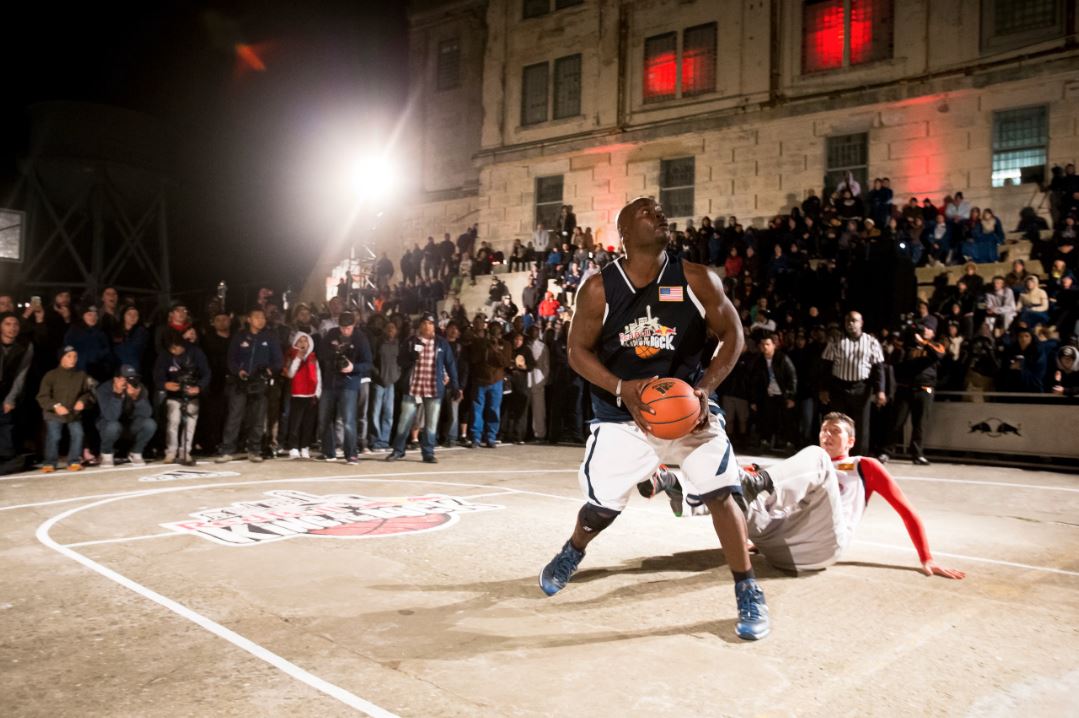
The Creative, Gritty, and Unfiltered Energy of Streetball That Redefined Professional Style and Attitude
The Origin of the Playground Legacy
Long before packed arenas and global television broadcasts, basketball was defined by the sound of sneakers scraping against cracked asphalt and the echo of a chain net swaying in the wind. Streetball, the raw and unfiltered form of the game, was born not in polished gyms but in city parks and neighborhood courts. It was a product of community, culture, and survival. The sport became an outlet for expression, creativity, and pride, especially in urban neighborhoods where opportunities were scarce but passion overflowed. Every block had its legends, and every court had its stories. These were players who competed not for contracts or trophies but for respect.
Streetball became more than recreation. It was performance art wrapped in athletic skill. Players used movement to tell stories, improvising through rhythm and emotion. The courts at Rucker Park in Harlem, Venice Beach in California, and Barry Farms in Washington D.C. became cultural landmarks. They were not simply courts but proving grounds where names were made and styles were born. The environment was intense, yet it also fostered community and identity. Streetball represented freedom from rules, and that freedom eventually began influencing the structured world of professional basketball.
Style as a Language of Identity
In streetball, the crossover, the hesitation, and the spin move are more than technical maneuvers. They are expressions of individuality. Every player develops a signature rhythm, a personalized approach that reflects personality and background. On the street, basketball becomes a conversation conducted through movement. To outsmart an opponent is to tell them a story, one written in fakes, misdirection, and flair. The court becomes a stage, and the audience reacts not just to points scored but to creativity displayed. Respect is earned through innovation and confidence, and those traits translate far beyond the boundaries of the game.
What distinguishes streetball from its organized counterpart is its embrace of improvisation. There are no rigid playbooks, no predetermined rotations. Every possession is a moment of invention. The ball handler reads the defender’s body language and responds instinctively. This spontaneity has influenced the modern professional game, where players like Kyrie Irving, Jamal Crawford, and Allen Iverson have infused the playground’s artistry into NBA hardwood. The way they handle the ball, shift tempo, and create space carries the DNA of the streets. The style once considered unruly has now become a cornerstone of entertainment and skill in professional basketball.
The Rucker Effect: Where Legends Became Myth
Few places in sports history have achieved the mythic status of Rucker Park in Harlem. Named after Holcombe Rucker, a teacher who saw basketball as a way to empower youth, the park became a sanctuary for talent and ambition. From the 1960s onward, Rucker Park transformed into an outdoor theater of competition where the lines between local heroes and professional stars blurred. NBA players like Wilt Chamberlain, Julius Erving, and Kareem Abdul-Jabbar graced its court, battling against playground icons whose names were whispered with reverence even though they never turned professional. Men like Joe Hammond and Earl “The Goat” Manigault became legends whose influence reached far beyond the blacktop.
At Rucker, the atmosphere was electric. Crowds surrounded the court, spilling over the sidelines. Every move was met with roars, laughter, or awe. Players competed not only for victory but for the moment that would be remembered, the crossover that made an opponent stumble or the dunk that silenced the crowd. The park symbolized what basketball could be when stripped of commercialism. It was competition in its purest form, fueled by pride and creativity. Many professional players credit these environments for shaping their confidence and resilience. The Rucker effect taught them that skill without swagger was incomplete. To survive on the blacktop, you needed both.
From Streetball to Broadcast Spectacle
By the late 1990s and early 2000s, the rise of media brought streetball to mainstream attention. The AND1 Mixtape Tour became a cultural phenomenon, blending athleticism, hip-hop, and showmanship into a global brand. Players like Hot Sauce, The Professor, and Skip 2 My Lou (Rafer Alston) turned local playground moves into international entertainment. These players showcased creativity that captivated audiences, merging basketball with performance. For the first time, streetballers achieved fame without traditional league affiliations. The Mixtape era turned underground legends into global icons and inspired a new generation of players to approach the game with flair and imagination.
Television broadcasts, music videos, and sneaker culture amplified the reach of streetball. What was once confined to neighborhood courts became a worldwide movement. Players began emulating the dribbling techniques and swagger seen on screen, infusing professional basketball with a sense of artistry that continues to define it today. The global visibility of streetball also highlighted its role in shaping fashion, language, and identity within basketball culture. The baggy shorts, headbands, and sneakers that once symbolized rebellion eventually became mainstream apparel endorsed by professional players. Streetball did not just influence the game. It reshaped its aesthetic.
The Psychology of Fearlessness
One of the most enduring traits of streetball is fearlessness. On outdoor courts, where the crowd reacts to every success and failure, players learn to thrive under pressure. There is no hiding behind team systems or coaching strategies. Every possession is personal, every move public. That environment sharpens mental toughness and self-belief. Players who emerge from these settings carry a sense of unshakable confidence that often defines their professional careers. Streetball teaches more than handles and footwork. It teaches resilience, adaptability, and the ability to perform in the face of scrutiny.
Fearlessness also fuels creativity. Players who are unafraid to fail are more likely to innovate. This mindset is visible in professionals who grew up playing in outdoor courts. They play with joy, freedom, and risk-taking that captivates fans. This psychological conditioning gives them an edge when moments of pressure arise in professional games. When facing a crucial free throw or a game-deciding shot, those who have faced the intensity of streetball crowds carry a mental calm born from countless battles under far more chaotic conditions. The streets cultivate not only skill but character.
The Fusion of Street and System
Modern basketball represents a balance between structure and improvisation. Coaches have learned to integrate the creativity of streetball within organized systems. The rise of positionless basketball, fluid spacing, and ball movement owes much to playground philosophy. Players who can create, read, and adapt in real time bring an element of unpredictability that analytics alone cannot capture. The streetball mentality rewards those who think beyond diagrams, who understand rhythm and instinct as deeply as strategy.
Even at the professional level, practice sessions now include drills designed to encourage improvisation. Trainers focus on reaction time, movement creativity, and decision-making rather than rote repetition. What was once dismissed as undisciplined has become recognized as essential for innovation. The influence of the streets lives within the tactical sophistication of modern offenses. Teams like the Golden State Warriors, with their emphasis on spacing, quick reads, and spontaneous movement, embody a synthesis of structure and street creativity. Streetball’s unfiltered spirit has found its place in the precision of the professional game.
Global Echoes of the Playground
Streetball has transcended geography. From the outdoor courts of Paris and Manila to the playgrounds of Tokyo and Lagos, the style has become universal. Each city adds its flavor, blending local culture with basketball’s universal language. In China, for instance, streetball tournaments attract thousands of fans who celebrate individuality and style. In Europe, players blend street flair with tactical discipline, creating a hybrid form of play that reflects both artistry and order. The global influence of streetball has turned the sport into a cultural bridge, uniting players across backgrounds through shared rhythm and creativity.
Professional players now carry the essence of streetball wherever they go. International superstars often reference the importance of outdoor play in their development. Whether it is Luka Dončić’s court vision or Damian Lillard’s composure under pressure, the roots trace back to environments where improvisation reigned supreme. The blacktop is no longer seen as a separate world from the hardwood. It is the foundation on which the modern game is built. The global community of basketball continues to evolve, but its heartbeat remains the rhythm of the streets.
The Eternal Pulse of the Asphalt
Streetball will always represent more than competition. It is a philosophy, a celebration of freedom, creativity, and connection. Its influence on professional basketball is undeniable, not only in the way players move but in the way they think. It has transformed the game from mechanical execution into expressive storytelling. The blacktop remains the place where dreams begin, where talent is tested without filters, and where every bounce of the ball carries history and possibility.
As long as players gather under open skies, surrounded by the sounds of sneakers and voices, the culture of streetball will endure. It continues to teach lessons about resilience, courage, and authenticity. Every crossover, every pass, every shot taken on the asphalt echoes through the professional arenas that follow. Streetball is not a shadow of the organized game. It is its soul, unrefined and untamed, still shaping the future of basketball one fearless move at a time.