

Redefining the Modern Striker
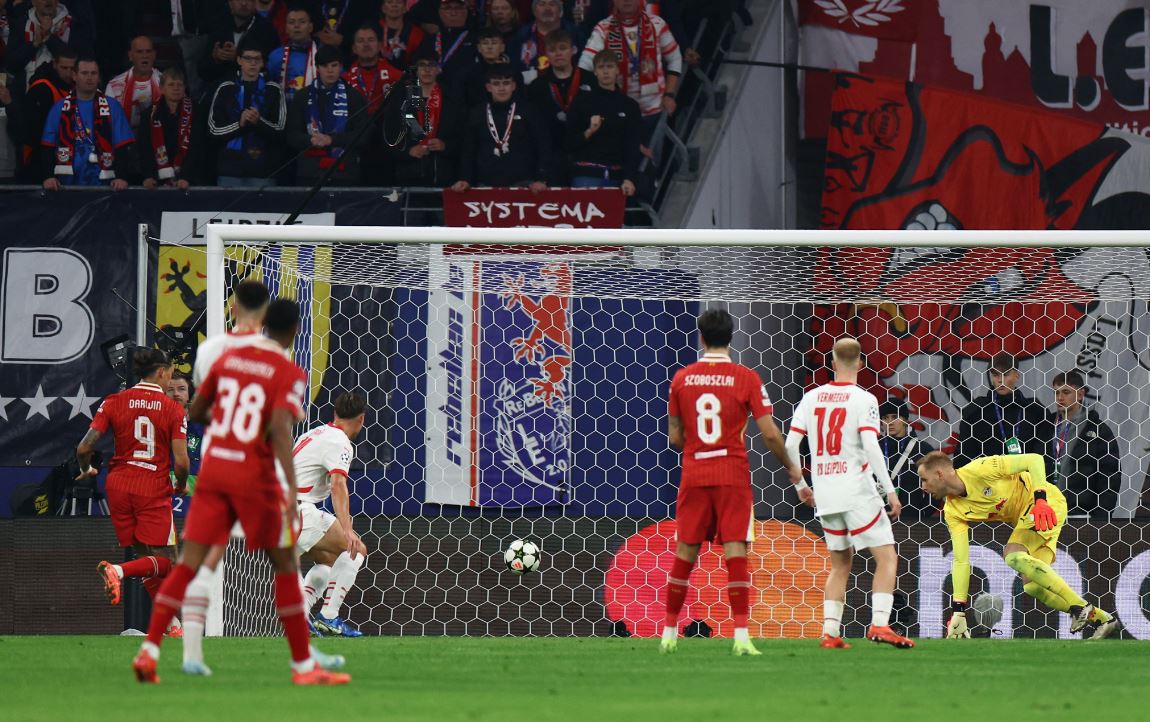
Tactical Evolution Transformed the Most Iconic Role in Football
From Poachers to Playmakers: The Evolution of a Football Archetype
For decades, the striker was defined by a simple purpose: score goals. The number nine lived in the penalty area, waiting for crosses, rebounds, and through balls. Every touch carried intent, every movement aimed toward the net. Players like Gerd Müller, Gary Lineker, and Filippo Inzaghi epitomized the art of being in the right place at the right time. Their brilliance lay in simplicity. They were finishers, pure and instinctive, sculpted by the rhythm of goals rather than the flow of possession.
But football changed. As tactics evolved and pressing systems reshaped the modern game, the striker’s world expanded beyond the penalty box. Coaches began to demand mobility, link-up play, and defensive discipline. The once-isolated forward became part of the collective structure. Creativity began to matter as much as clinical finishing. The striker stopped being a shadow waiting for service and became an architect shaping the attack. The golden age of the classic poacher faded into memory, replaced by an era defined by intelligence, versatility, and constant adaptation.
The Rise of the False Nine and Tactical Fluidity
When Pep Guardiola introduced Lionel Messi as a false nine during his time at Barcelona, the football world witnessed a revolution. Suddenly, the player positioned as a striker was no longer a fixed reference point for defenders. Instead, he dropped deep, creating confusion and disrupting defensive lines. The false nine drew opponents out of position and opened spaces for wingers and midfielders to exploit. It was not only a tactical shift but a philosophical one. The striker no longer waited for the ball; he became the heartbeat of the attack.
This idea spread across Europe. Coaches realized the advantage of unpredictability. Players like Francesco Totti, Cesc Fàbregas, and Roberto Firmino refined the concept, turning the striker into a multi-dimensional force. Defenders were forced to decide between marking tight or holding their shape, often leading to chaos. The false nine became a symbol of football’s increasing complexity, where intelligence and spatial awareness outweighed brute strength. The position that once represented isolation now symbolized connection, linking every piece of the team’s offensive machinery.
Pressing from the Front: The Striker as the First Defender
In modern football, defense begins in attack. The striker’s role in pressing systems has become essential to maintaining control of space and tempo. Players like Karim Benzema, Gabriel Jesus, and Darwin Núñez embody this transformation. Their job is no longer limited to scoring but includes initiating pressure, cutting passing lanes, and forcing turnovers. The forward must now anticipate not only attacking moves but also the opponent’s buildup. This demands exceptional fitness, awareness, and tactical intelligence.
High pressing has altered how teams view the striker’s value. Coaches like Jürgen Klopp and Marcelo Bielsa popularized systems where relentless energy mattered more than individual flair. The modern forward has to think several moves ahead, deciding whether to close down a defender or block the pivot. The days of waiting for possession have been replaced by constant engagement. This shift reflects the broader truth of contemporary football: success comes from collective effort, and the striker stands at the very front of that unity.
The Importance of Link-Up Play and Creative Contribution
Goals may still define glory, but creativity defines relevance. The modern striker is expected to operate as a connector between lines, combining with midfielders and wingers to unlock compact defenses. The art of hold-up play, once the domain of tall target men, has been refined into a more delicate craft. Players like Harry Kane, Olivier Giroud, and Antoine Griezmann have shown that vision and timing can turn a single pass into a decisive breakthrough. The striker’s value now extends to assists, progressive passes, and movement that creates space for others.
This evolution reflects the growing interdependence of modern systems. Teams build attacks with positional balance and fluidity, requiring the striker to read the rhythm of play like a conductor leading an orchestra. The ability to drop deep and distribute effectively adds new dimensions to the team’s approach. Scoring remains crucial, but modern forwards are judged on contribution as much as conversion. The best strikers are now measured not only by numbers but by the harmony they bring to the collective design.
The Hybrid Forward: Breaking the Boundaries of Position
Modern tactics rarely confine players to traditional roles, and the striker has become one of the most adaptable. Hybrid forwards blur the line between winger, midfielder, and striker, embodying the freedom demanded by fluid systems. Kylian Mbappé, Erling Haaland, and Lautaro Martínez represent this evolution. They can drift wide, drop deep, or run behind defenders, depending on the situation. The modern game thrives on versatility, and these players reflect its future.
Coaches increasingly favor players capable of fulfilling multiple roles in a single match. The striker must now read defensive structures and switch approaches on instinct. Sometimes he must act as a poacher, at other times a playmaker or a presser. This flexibility mirrors the overall transformation of football itself. The game has shifted from rigid formations to dynamic systems where adaptability defines excellence. The hybrid striker is both creator and finisher, tactician and athlete, symbolizing football’s endless pursuit of evolution.
The Decline of the Traditional Number Nine
While the modern game celebrates fluidity, it has also led to the decline of the traditional number nine. The towering target men who once dominated penalty areas now find fewer homes in tactical plans. Players like Fernando Llorente and Mario Gómez were once crucial, but as systems evolved, their skill sets became less central. Managers prefer players who can press, pass, and participate in buildup rather than simply finish. The poacher’s precision remains valuable, but it must now exist within a broader skill set.
Yet, nostalgia for the old-fashioned number nine remains strong. Fans still remember the elegance of Ruud van Nistelrooy’s timing or the dominance of Didier Drogba’s presence. Football is cyclical, and every era revives elements from the past. The future may yet see a resurgence of pure strikers, adapted to modern speed and intensity. The longing for the simplicity of goal-scoring heroes endures, reminding us that while tactics evolve, the essence of football remains rooted in the pursuit of the perfect goal.
The Striker’s Role in a Data-Driven Era
Analytics have reshaped how we interpret performance, and strikers are no exception. Modern scouting and coaching rely heavily on data points like expected goals, shot quality, and pressing efficiency. These metrics redefine what it means to be effective. A striker might score fewer goals but contribute significantly to overall team output through movement and defensive effort. Numbers now reveal value that the eye may miss, changing both recruitment and evaluation across leagues.
However, the danger lies in overreliance on numbers. Football remains unpredictable, and statistics cannot quantify instinct or emotion. The best strikers combine intelligence with spontaneity. They read the flow of a game, sense the rhythm of defenders, and act with intuition that no metric can measure. Data may guide strategy, but the artistry of finishing still belongs to the human element. In the end, football’s beauty remains in its unpredictability, where one moment of brilliance can rewrite every expectation.
The Global Influence of Striker Evolution
Different regions have shaped the striker’s evolution through distinct philosophies. South American forwards often emphasize flair and improvisation, while European systems focus on structure and precision. African strikers bring power and dynamism, combining physical dominance with technical skill. Asian players contribute tactical discipline and adaptability. These regional variations have blended through globalization, creating a new generation of strikers influenced by multiple traditions.
The result is a fusion of styles. The modern striker can press like a European, dribble like a Brazilian, and finish like an Argentine. Football’s global network of academies ensures that ideas travel faster than ever. Coaches exchange knowledge, and players absorb influences from around the world. The evolution of the striker is therefore not only tactical but cultural. It reflects the interconnectedness of the modern era, where diversity and innovation drive collective progress in every corner of the game.
The Future of the Striker: Adaptation and Reinvention
The future of football will continue to challenge and redefine the striker’s identity. As formations grow more fluid and tactics more intricate, the position will evolve further toward intelligence and versatility. The next generation will be expected to think like midfielders, defend like wingers, and finish like poachers. The striker of tomorrow will be a hybrid of artistry and athleticism, balancing instinct with analysis in equal measure.
Despite these changes, one truth will never fade. The goal remains the heartbeat of the game. No matter how many roles the striker must play, his ultimate purpose endures. The roar of the crowd after a perfect strike will always define football’s magic. The striker, whether false, hybrid, or classic, will continue to embody the timeless pursuit of glory that gives the sport its soul. In every era, the essence of the striker remains the same: to turn possibility into triumph, and effort into immortality.