

The Endless Pursuit of Glory in the Digital Age
Competition, Passion, and Legacy Shape the Soul of the Modern Gamer
The Ancient Spark of Triumph
Long before pixels lit up screens and virtual arenas filled with digital noise, humanity understood the meaning of glory. It was the thrill of victory carved into marble statues and sung through ancient poems. Glory was once found on battlefields and in coliseums, earned through struggle and sacrifice. It symbolized the unbreakable bond between courage and recognition. Even as civilizations evolved, that hunger for triumph remained. It simply changed its stage.
Today, glory thrives within gaming. The battlefield has become digital, yet the spirit remains the same. Players still chase the moment when preparation meets opportunity. They seek that flash of brilliance when reflex, focus, and will align perfectly. In those seconds, the crowd, the noise, and the world fade away, leaving only the player and the pursuit of excellence. Glory may have traded sword and shield for keyboard and controller, but its essence has not diminished. It has only expanded into new dimensions.
From Pixels to Prestige: How Games Redefined Heroism
In the early years of gaming, victory was personal. Beating a high score or clearing a difficult level was enough to feel triumphant. There were no global audiences or sponsorships. Glory belonged to the individual, measured only by persistence and skill. Yet as technology advanced, the walls of isolation crumbled. Online play introduced connection, and connection introduced comparison. Suddenly, achievements had witnesses, and every victory could be shared, celebrated, or challenged.
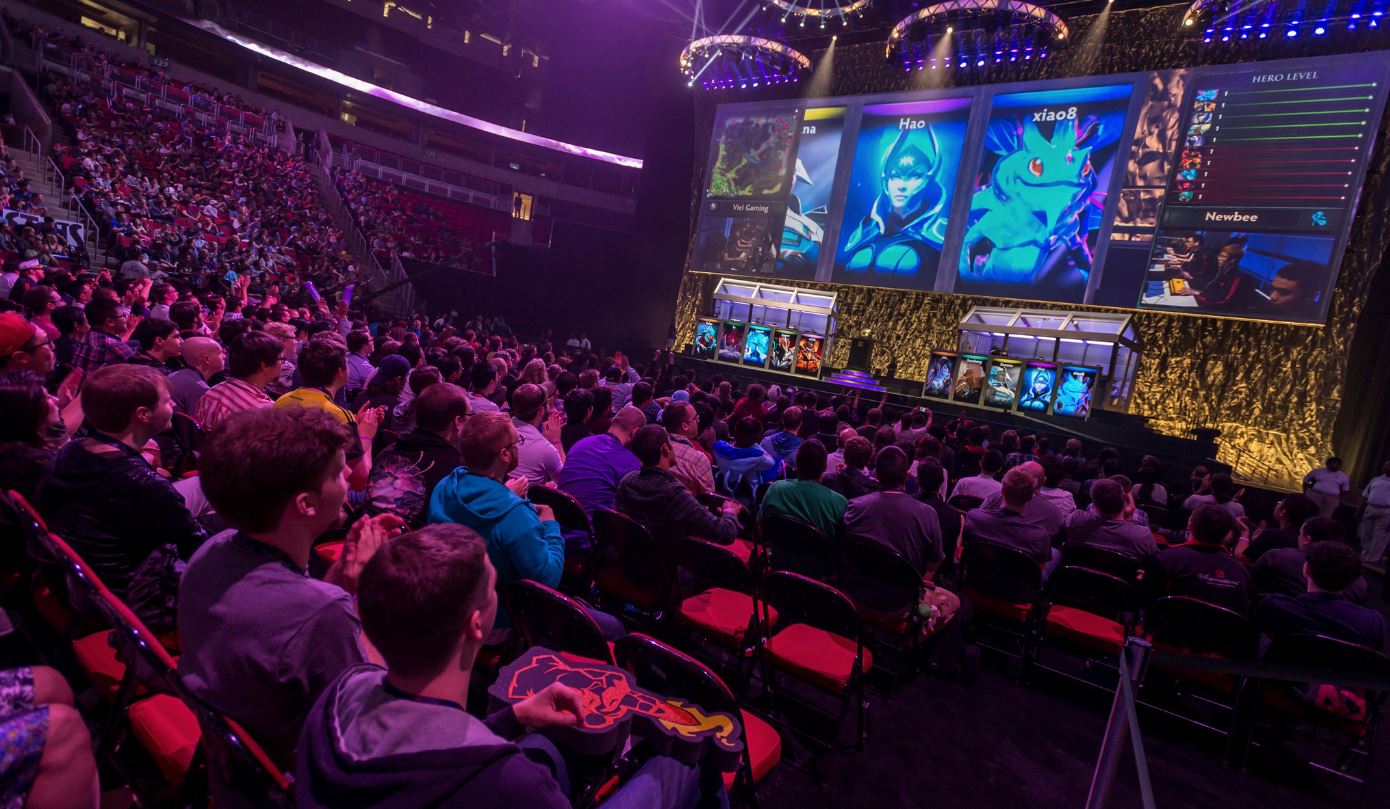
This transformation reshaped what it meant to be a hero. A player who once battled alone could now represent a nation or a community. Esports emerged as the modern arena, where reflexes, tactics, and nerves collided under bright lights and millions of eyes. Glory became something communal. Teams celebrated as one, fans rallied behind banners, and victories became stories that transcended screens. The modern hero no longer wore armor or wielded a sword, yet their triumph carried the same emotional weight. The roar of the crowd, whether virtual or real, confirmed what humanity has always known: glory is not just about winning, it is about inspiring.
The Psychology of Victory and the Price of Ambition
Every pursuit of glory begins with a spark of belief, but it also demands endurance. Gamers who climb to the top often sacrifice sleep, comfort, and social life in their relentless pursuit of mastery. Behind every polished play or flawless execution lies countless hours of failure. Glory does not arrive as a gift. It is built through repetition, frustration, and resilience. The emotional cost of chasing perfection is immense, yet those who endure it do so willingly, drawn by the promise of immortality within their craft.
Psychologically, glory operates like an echo. Once experienced, it calls out again and again, urging players to chase it once more. The thrill of victory activates the same parts of the brain that respond to love and reward. It becomes addictive, powerful, and deeply personal. But with this comes vulnerability. When the cheers fade, and the spotlight shifts, players must confront the silence that follows. True glory lies not in the moment of triumph but in the courage to continue after it ends. The balance between ambition and peace becomes the final test of a competitor’s spirit.
Digital Legends and the Age of Memory
In the modern era, glory is immortalized not through statues but through data. Streams, replays, and highlight reels preserve every decisive shot and every impossible comeback. Platforms like YouTube and Twitch have become the archives of achievement. The legends of gaming are written in pixels, replayed endlessly by fans who study each movement and reaction. This new form of legacy transforms players into symbols. Their victories become cultural references, moments that define not only games but generations.
What makes this evolution remarkable is its accessibility. Unlike ancient heroes whose tales were filtered through poets and scribes, modern icons share their triumphs directly with the world. The barrier between player and spectator has dissolved. Fans do not just watch glory, they participate in it, sharing reactions, theories, and celebrations across global networks. This democratization of fame has given rise to a shared mythology, where every gamer, regardless of skill, becomes part of the narrative of collective achievement.
The Emotional Architecture of Glory
Every great game is designed around emotion. The thrill of victory, the agony of defeat, and the suspense between the two are all woven deliberately into gameplay. Developers understand that players do not simply seek entertainment. They seek validation, connection, and a sense of purpose. Glory functions as the ultimate motivator, the emotional reward that transcends points and leaderboards. It gives meaning to effort, turning every small success into part of a larger journey.
In this way, games become psychological ecosystems. Each challenge is a test of patience and strategy, and each reward is a signal of growth. Glory binds these experiences together, transforming simple mechanics into stories of personal evolution. When a player conquers a boss after dozens of attempts or leads a team to victory in a tournament, they are not just playing. They are living a story of perseverance. It is this emotional architecture that keeps players returning, not for trophies, but for the feeling that they are capable of something extraordinary.
Team Spirit and Shared Triumph
Individual glory may draw headlines, but true greatness often arises from collaboration. In team-based games, the pursuit of glory is collective, built on trust, communication, and sacrifice. Every pass, every assist, and every coordinated strategy becomes a piece of the larger puzzle. No single player carries the weight of victory alone. Success belongs to the unit, and each member contributes to a symphony of precision and timing. The beauty of shared triumph lies in the interdependence that defines it. Each player learns to balance ego with empathy, ambition with cooperation.
This dynamic mirrors real-world teamwork in the purest form. Teams that achieve lasting success understand that glory cannot be hoarded. It is multiplied through unity. The celebration that follows a shared victory resonates deeper because it represents not just skill but connection. In these moments, the meaning of glory transforms. It is no longer about standing above others but standing beside them, knowing that together they reached something greater than any individual could alone.
The Fall and the Rebirth of Champions
No story of glory is complete without defeat. Every champion experiences loss, and every loss tests the core of who they are. Failure strips away illusion and reveals character. It forces reflection, adaptation, and renewal. The greatest players and teams in history are defined not by their victories but by their comebacks. The resilience to return after collapse, to rebuild confidence from fragments, is the essence of greatness. Glory is sweetest when it rises from struggle.
In gaming, the cycle of defeat and redemption plays out endlessly. New patches, metas, and opponents ensure that no reign lasts forever. This constant change prevents complacency and fuels innovation. When a once-dominant player adapts and reclaims their throne, the audience witnesses not just skill but growth. The narrative of glory becomes human again, filled with imperfection and perseverance. Through this rhythm of rise, fall, and resurgence, the gaming world mirrors life itself.
The Eternal Quest for Greatness
Glory has never been about the trophy, the medal, or the prize. It is about the moment when preparation, courage, and heart align in perfect harmony. It is the feeling that time itself pauses, and for one heartbeat, the universe recognizes your effort. In the gaming world, glory continues to evolve, adapting to new technologies, new audiences, and new challenges. Yet its core remains unchanged. It is still the pursuit of something higher, something that transcends victory and enters the realm of meaning.
The digital age has not diminished the value of glory. If anything, it has expanded its reach. It lives in every player who dares to dream, in every team that refuses to give up, and in every fan who cheers until their voice gives out. Glory is not a destination but a journey, one that connects every gamer across time and place. In every battle fought and every victory earned, the fire still burns. It is the same fire that once blazed in ancient arenas, now reborn in pixels, waiting for the next champion to rise and claim it.